The Revews-to-Revenue Report: Restaurant
- YO Ranch Steakhouse - Dallas
- Industry: Fine Dining / Steakhouse
Why This Report Matters
We analyzed the 20 most recent reviews for YO Ranch Steakhouse using advanced semantic pattern recognition and customer behavior analysis. By processing these first-hand accounts, we extracted repeatable emotional and tangible value signals that define why diners choose this restaurant over competitors. We reverse-engineered buying psychology from real customer language to identify the dominant behavioral segments driving high-satisfaction experiences. This type of analysis is typically conducted by top-tier consulting firms to identify “unfair advantages” before a single dollar is spent on marketing.
This report doesn’t guess what your customers want — it decodes what your best customers already respond to.
A company would typically pay between $500 to $1,000 for this level of pre-marketing insight alone to build personas before launching a single campaign. Use this Reviews-to-Revenue Report™ to increase conversions, strengthen positioning, and grow revenue by speaking directly to the internal dialogue of your target market.
Executive Insights Snapshot
This section reveals how customers collectively frame the brand — emotionally, competitively, and experientially.
Overall Sentiment Ratio
95 percent positive (19/20 reviews were 5-star or highly positive; 1 review noted minor food temperature/tenderness issues but remained constructive)
Dominant Review Themes (Ranked by Frequency)
1. Server-Centric Excellence: Exceptional individual recognition of staff (Marcos, Megan, Joel, Jason, Ryan).
2. Exotic Game Specialization: High frequency of mentions regarding Buffalo Filet, Wild Game Trio, and Quail.
3. Milestone Celebrations: Frequent mention of birthdays and “memorable” evenings.
4. Rustic/Authentic Ambiance: Recognition of the historic West End location and “old-style” steakhouse feel.
Interpretation
Satisfaction is driven less by the “steak” alone and more by the curation of the meal. Guests rely heavily on server recommendations to navigate a unique menu, meaning the server is the primary “product” as much as the food.
Emotional Tone Summary
Appreciative, impressed, “blown away,” comforted, and adventurous.
Perceived Brand Positioning
An “Authentic Texas Institution” that balances high-end culinary sophistication with warm, approachable hospitality. It occupies the lane of “Approachable Luxury.”
Value Pattern Extraction Report
This section extracts repeatable value signals across reviews. These are the validated drivers of demand — what your best customers consistently highlight.
A. Tangible Value Drivers
Concrete elements customers repeatedly reference:
1. Service Specificity: Attentive, professional, and knowledgeable staff.
2. Menu Variety: Buffalo filet, pork belly with collard greens, elk, wild game trio, and espresso martinis.
3. Atmosphere: Antler chandeliers, brick walls, historic ranch memorabilia, and cozy lighting.
4. Portion/Quality Ratio: “Generous portions” and “perfectly cooked” meats.
How to Use:
Ads and headlines should move beyond generic “Best Steak” claims and highlight “The Buffalo Filet You’ll Talk About for Years” or “Award-Winning Service from Dallas Icons like Marcos and Megan.”
B. Emotional Outcome Experiences
The emotional end states customers describe:
1. Validation: Feeling like their choice of restaurant made their guest/partner feel special.
2. Discovery: The thrill of trying high-quality wild game for the first time.
3. Comfort: Being “taken care of” without being smothered.
How to Use:
Use language like “The highlight of your Dallas visit” or “Where milestones become memories.”
C. Perceived Differentiators
1. The “Wild” Factor: Unlike standard steakhouses, the buffalo and wild game options are the primary “stars.”
2. West End Heritage: The location provides a sense of “Real Texas” that modern, glass-tower steakhouses lack.
D. Friction & Objection Signals
1. Consistency in Temps: Rare mentions of steaks lacking tenderness or being under-seasoned.
2. Specific Side Feedback: Occasional notes on side dish preparation (e.g., asparagus).
Strategic Neutralization:
Positioning the “Chef’s Recommendation” as the gold standard for cook temps and seasoning helps pre-frame the guest’s expectations for excellence.
Marketing Personas
These personas represent the highest-value psychological buying profiles emerging from review language.
The Milestone Celebrant
Psychological Profile Summary
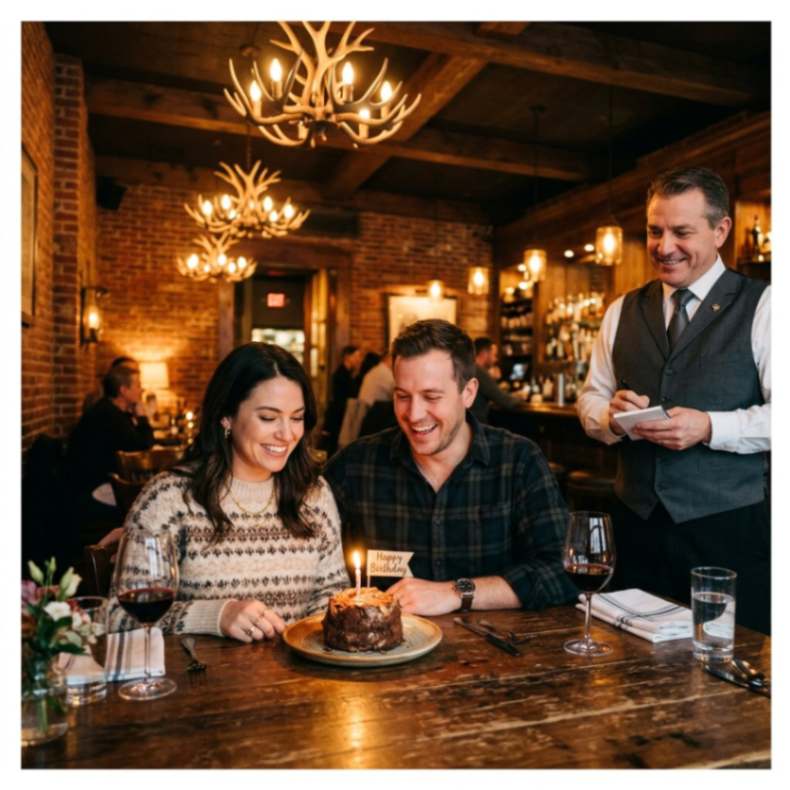
This guest is often under pressure to pick the “perfect” spot for a birthday or anniversary. They evaluate benefits based on the “vibe” and whether the staff makes the guest of honor feel seen. They are terrified of a “generic” experience. They become loyal when the server adds a personal touch (like a birthday candle or a custom recommendation). They interpret service as a reflection of their own taste.
Core Motivation: Emotional validation and social success.
What They Value Most: Attentive service and “special touch” moments.
Buying Triggers: Milestone dates, visiting friends, “Best of Dallas” lists.
Objections: Will it be too loud? Will the service be slow?
Messaging Strategy: “Celebrate where the service is as exceptional as the occasion.”
They think: “I hope this lives up to the hype for my partner’s birthday.”
They feel: Anxious but excited.
They fear: Being ignored by the staff or the food being “just okay.”
They hope: To be “blown away” by the experience.
They say: “We’re celebrating a special occasion tonight.”
They need to hear: “We’ve got the perfect table and some special touches waiting for you.”
The Culinary Adventurer
Psychological Profile Summary
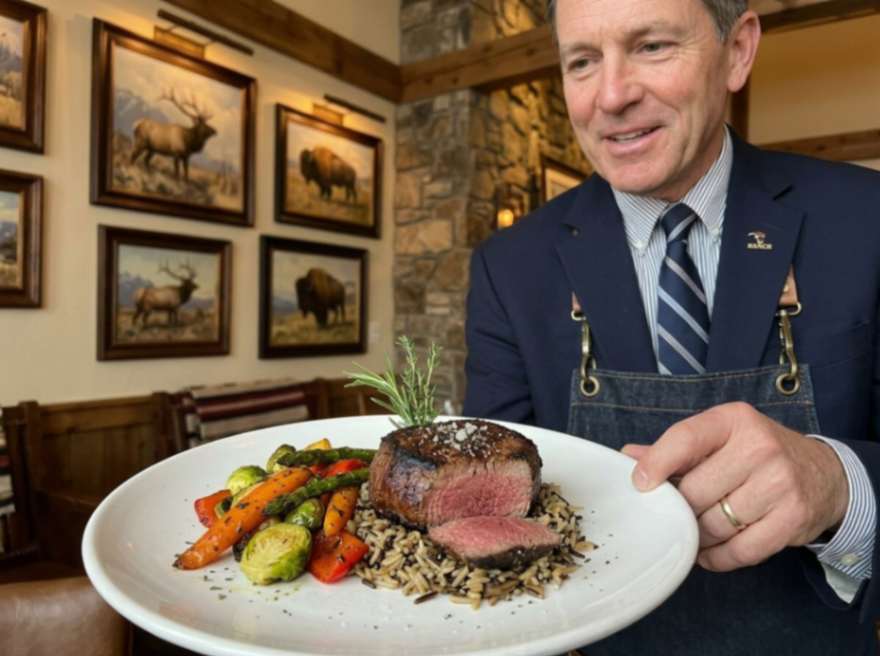
They value server expertise and will ask for recommendations. They are frustrated by generic menus and “safe” dining. They interpret quality through flavor complexity and unique sourcing (e.g., Alberta Lamb, Wild Game Trio).
Core Motivation: Exploration and sensory novelty.
What They Value Most: Exotic menu items and expert-led dining.
Buying Triggers: Seeking “the best Buffalo in Texas” or “authentic Dallas dining.”
Objections: Is it a tourist trap? Is the “exotic” meat actually good?
Messaging Strategy: “Beyond the Ribeye: Discover the Legendary Buffalo Filet of the West End.”
They think: “Show me something I haven’t tasted before.”
They feel: Curious and discerning.
They fear: A bland, overpriced meal.
They hope: To find their new favorite dish.
They say: “What is the server’s favorite wild game dish?”
They need to hear: “Our Buffalo Filet is the highest-rated in the state.”
The Business Traveler
Psychological Profile Summary
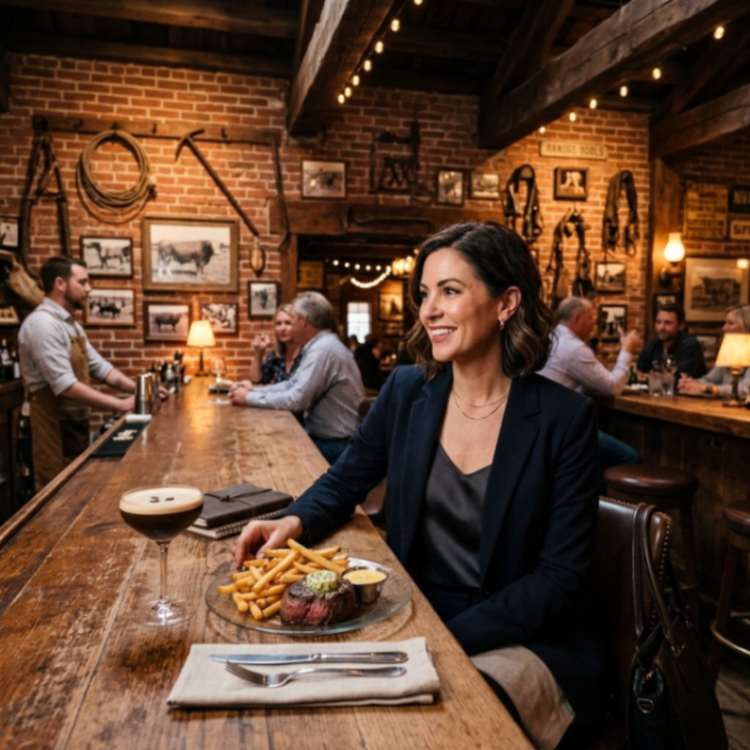
Often dining alone or for business near the West End/Downtown. They value efficiency, professionalism, and a “seamless” experience. They evaluate value by how comfortable they feel dining solo. They are frustrated by overbearing service or “stuffy” atmospheres. They become loyal when they find a “home base” in a new city.
Core Motivation: Professional comfort and consistent quality.
What They Value Most: Efficient, expert service and a welcoming ambiance.
Buying Triggers: Proximity to downtown events/concerts, high-quality solo dining reviews.
Objections: Can I get a table solo? Is it too “romantic” for a business meal?
Messaging Strategy: “The West End’s most trusted table for the solo traveler.”
They think: “I need a great meal where the service is professional and fast.”
They feel: Focused and hungry.
They fear: Awkward solo seating or slow service.
They hope: A high-quality, effortless dinner.
They say: “Just a table for one, please.”
They need to hear: “Welcome home, our bar and dining room are ready for you.”
Revenue Opportunities & Profitable Insights
Underleveraged Strengths: The “Wild Game” is the hook, but the Staff Personas (Marcos, Megan, etc.) are the retention engine. Marketing the staff as “Dining Concierges” increases perceived value.
Messaging Gaps: There is a massive opportunity to target pre-concert/event diners in the West End who are looking for “efficiency without sacrificing luxury.”
Objection Handling: Address “cook temp” consistency by highlighting the kitchen’s “True Texas Sear” process in content marketing.
Upsell Opportunities: Packaging “The Wild Game Tasting Experience” (Trio + Wine Pairing) as a signature, high-margin offer.
High Conversion Strategy Assets
Paid Advertising Messaging Angles: 5 Ad Hooks
1. “The steakhouse that makes 5 stars feel like an understatement.”
2. “Marcos doesn’t just serve dinner; he curates an experience.”
3. “Is this the best Buffalo Filet in Texas? Our guests say yes.”
4. “The West End’s best-kept secret for milestone birthdays.”
5. “Tired of the same old ribeye? Try the Wild Game Trio.”
Core Paid Ad Angles:
1. The “Server Shoutout” Angle: Feature real reviews naming specific servers.
2. The “Exotic Sizzle” Angle: High-def video of the Buffalo Filet and Quail.
3. The “Historic Ambiance” Angle: Focus on the antler chandeliers and brickwork.
Social Media Content Strategy
1. Theme: “Meet the Legends”
Visual: A high-quality photo of Megan or Marcos smiling at a table.
Caption: “When Mark said he’d give 6 stars for service if he could, he was talking about the YO Ranch experience. Come see why our team is the heartbeat of the West End.”
2. Theme: “Wild Wednesday”
Visual: Slow-motion slice of the Buffalo Filet.
Caption: “Flavor that’s truly wild. Our Buffalo Filet is lean, tender, and the #1 recommendation from our expert staff. Have you tried the ‘Wild’ side of YO yet?”
Strategic Summary
The three persona types, The Milestone Celebrant, The Culinary Adventurer, and The Business Traveler, represent the most profitable customer psychology segments for YO Ranch Steakhouse. Their motivations align with the strongest review patterns: a demand for unique wild game, exceptional server-led hospitality, and an authentic Texas atmosphere. Aligning paid ads, landing pages, and social strategy to these insights will increase ad performance, improve conversion rates, and drive long-term revenue growth by positioning the restaurant as more than a steakhouse—it is a curated Texas experience.